

How to Safely Sunbathe in Thailand's Tropical Sun
Sunbathing carries a complicated reputation. For every person that loves to soak up some rays, there are those that actively avoid any exposure. Maybe it’s because some studies link sun exposure to skin damage, while others highlight its role in vitamin D production and mental wellbeing.
Like most things, the truth sits somewhere in the middle, and understanding both sides helps you make smarter choices about sunbathing under Thailand's intense tropical sun while you’re out on vacation.
This guide covers the real sunbathing benefits, the risks you should take seriously, and the precautions that let you enjoy Thailand's sunshine without regret.
What is Sunbathing?
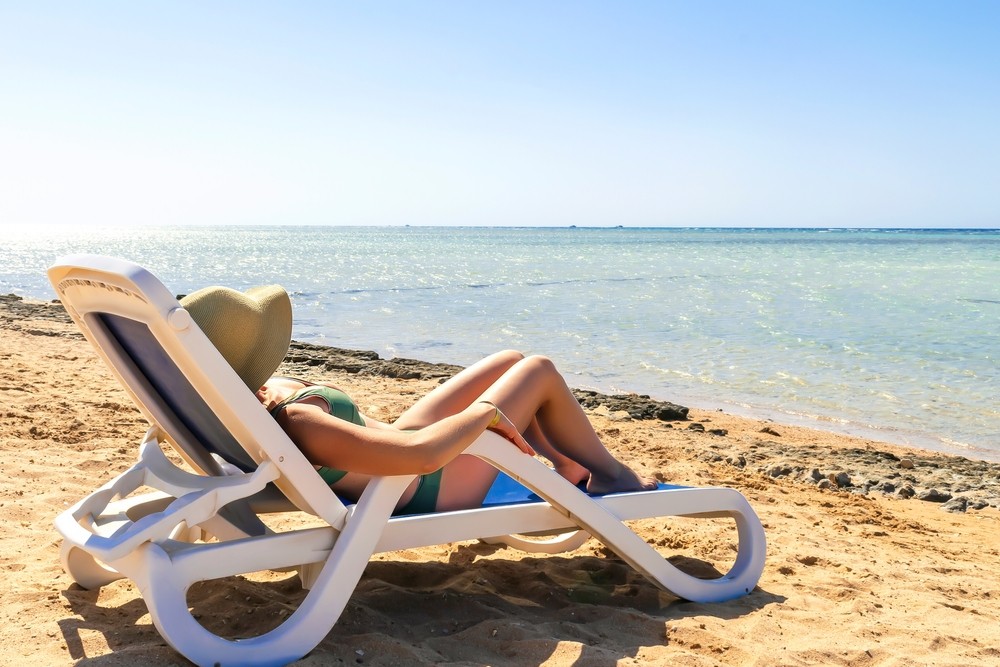
Sunbathing simply means relaxing in a way that exposes your skin to direct sunlight, whether you're lounging on a beach towel, floating in a pool, or lying on a sun deck. People have done it for centuries, drawn by the warmth and the way sunlight seems to lift the mood. In tropical destinations like Thailand, sunbathing is practically part of the vacation experience.
Sunbathing Benefits: Is Sunbathing Good for You?
Research suggests moderate sun exposure offers several legitimate health benefits when done responsibly.
Vitamin D Production
Your skin produces vitamin D when exposed to UVB radiation from sunlight.
Research suggests that 10 to 15 minutes of sun exposure on the arms and face, two to three times per week, provides enough natural vitamin D for most adults.
This essential vitamin supports:
- Bone health and calcium absorption
- Immune system function
- Muscle strength
- Reduced inflammation
Vitamin D deficiency has been linked to conditions including osteoporosis and increased susceptibility to illness, making some sun exposure genuinely beneficial.
Mental Health and Mood Enhancement
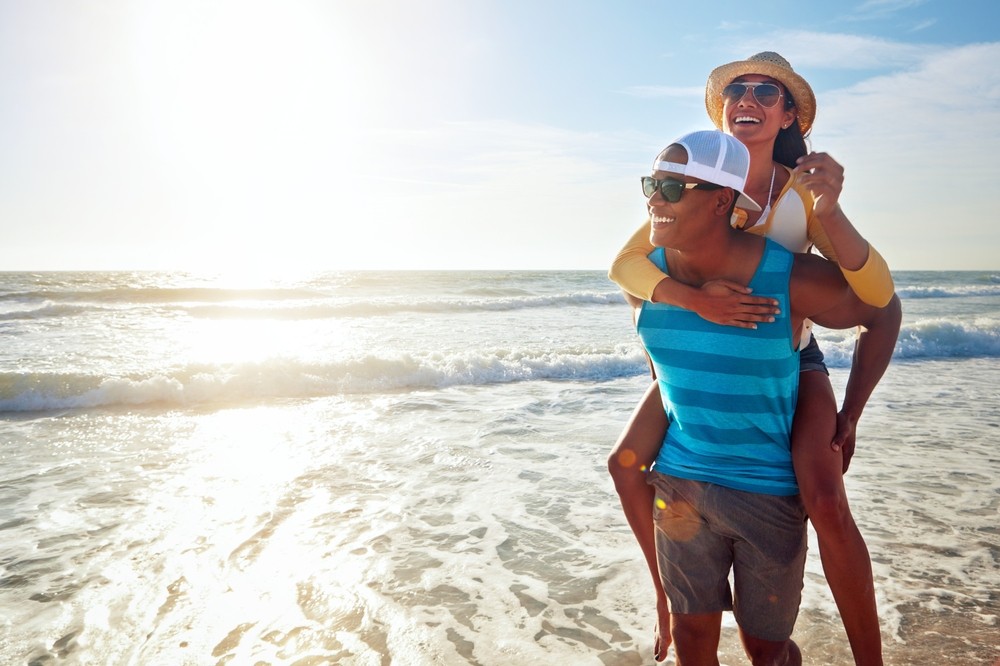
Getting a blast of sunlight also triggers serotonin production in the brain, the neurotransmitter associated with feelings of calm and well-being. Research from the Mayo Clinic confirms that reduced sunlight exposure can throw off serotonin levels, affecting mood, sleep quality, and energy. This connection explains seasonal affective disorder (SAD) and why people often feel happier during sunny months.
Sleep Regulation
Sun exposure during the day helps regulate your circadian rhythm, your body's internal clock controlling sleep-wake cycles.
Morning and midday sunlight sends signals to your brain to produce melatonin at the appropriate time later in the evening, leading to better sleep quality.
Side Effects and Risks of Sunbathing
Though the benefits are plenty, they come with real risks, especially in a country like Thailand where UV levels reach extreme readings year-round.
Short-Term Risks
- Sunburn: UVB radiation damages skin cells, causing redness, pain, and peeling. In Phuket during peak hours, it can take as little as 10 minutes for a burn to form.
- Heat exhaustion: Prolonged sun exposure combined with high temperatures can cause dizziness, nausea, and dehydration.
- Eye damage: UV rays can harm your corneas without proper protection.
Long-Term Risks
- Premature aging: UVA rays penetrate deep into the skin, breaking down collagen and causing wrinkles, age spots, and a leathery texture.
- Skin cancer: The World Health Organization classifies UV radiation as a known carcinogen. Both sunburns and cumulative exposure increase melanoma risk.
- Cataracts: Chronic UV exposure contributes to vision problems over time.
Who's at Higher Risk?
Some people need extra caution, including:
- Those with fair skin, light hair, or light eyes
- Anyone with a family history of skin cancer
- Children whose skin is more sensitive
- People taking photosensitive medications (certain antibiotics, blood pressure drugs, and acne treatments)
Essential Precautions for Safe Sunbathing
Thailand's tropical location means UV index readings regularly hit 11 to 14 during midday, which is classified as "extreme" by international standards.
Here’s how you can stay protected and safe while outside.
Timing Your Sun Exposure
- Avoid peak hours: Stay out of direct sun between 10 AM and 4 PM when UV intensity peaks.
- Best times: Early morning (before 10 AM) and late afternoon (after 4 PM) offer safer conditions.
- Duration: Limit unprotected exposure to 15-30 minutes, depending on your skin type.
Use Quality Sunscreen
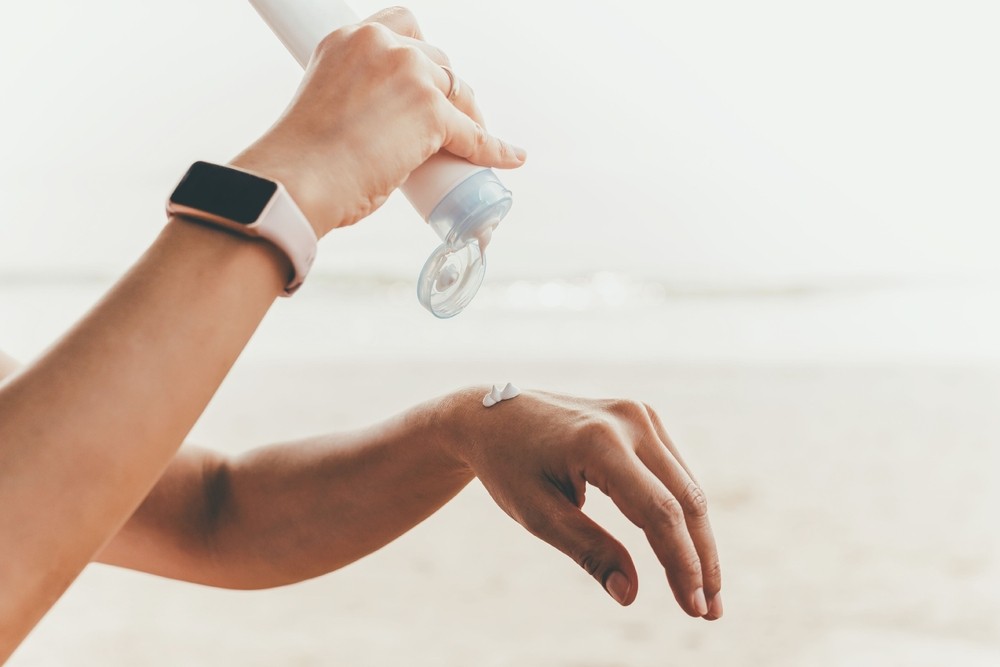
- SPF 30 minimum: Blocks approximately 97% of UVB rays. SPF 50 or higher is better for extended outdoor time.
- Broad-spectrum protection: Covers both UVA (aging rays) and UVB (burning rays).
- Application: Use about one ounce (a shot glass worth) for full body coverage, or more for larger bodies.
- Reapplication: Every two hours, and immediately after swimming or sweating.
- Water-resistant formulas: Essential for water parks and swimming, though no sunscreen is fully waterproof.
Additional Protective Measures
- Sunglasses: Choose wraparound styles with 100% UVA and UVB protection.
- Hats: Wide-brimmed hats protect your face, ears, and neck.
- Protective clothing: Tightly woven fabrics or UPF-rated clothing block UV rays.
- Shade: Take breaks under umbrellas or covered areas throughout the day.
- Hydration: Drink water consistently, every 30-45 minutes when active in the sun.
Alternatives to Direct Sunbathing
If you prefer to minimize UV exposure entirely, you can still get vitamin D through:
- Supplements: Consult a healthcare provider for appropriate dosages.
- Vitamin D-rich foods: Fatty fish, egg yolks, fortified dairy products.
- Light therapy boxes: Medical-grade devices that mimic sunlight for mood benefits without UV risk.
Where to Sunbathe Safely at Andamanda
Andamanda Phuket gives you options for enjoying the sun while managing your exposure and keeping cool and hydrated. The Great Andaman Bay wave pool features beach-style lounging areas where you can catch some rays between sessions, splashing in Southeast Asia's largest wave pool. Or you might try floating along the lazy river at your own pace, soaking in gentle sunshine as you drift through the park's mythical landscape.
Our private cabanas offer the best of both worlds, with comfortable sun loungers positioned for morning or afternoon light and retractable shade for when you need a break. Elsewhere, the park's sun deck areas provide dedicated spaces for relaxation, while nearby food courts and shaded zones make it easy to step out of the sun when necessary.
Enjoy Sunbathing Safely in Thailand
Sunbathing offers real benefits when approached responsibly, from vitamin D production to mood enhancement. The key to maximizing those benefits while mitigating as much risk as possible lies in timing, protection, and knowing when to seek shade. Experience the best of Phuket's sunshine at Andamanda, one of the top thailand tourist attractions, by booking your visit today.
References
- Mayo Clinic Minute: How change in sunlight can affect your mood. (October 31, 2024). Mayo Clinic News Network. Retrieved December 15, 2025, from https://newsnetwork.mayoclinic.org/discussion/mayo-clinic-minute-how-change-in-sunlight-can-affect-your-mood/
- Thailand's UV Index Rating and the Risk of Sunburn. (n.d.). Samitivej Hospitals. Retrieved December 15, 2025, from https://www.samitivejhospitals.com/article/detail/uv-index