

Key Takeaway:
- Bioluminescent plankton in Phuket are caused by dinoflagellates that emit blue-green light when disturbed, creating a glowing ocean effect best seen in dark, calm waters.
- Phang Nga Bay is the most reliable location to see bioluminescence, especially in enclosed lagoons and caves around Hong Island and Koh Panak.
- The best viewing conditions occur during new moon periods, after sunset, with guided kayak tours offering the highest chance of a memorable experience.
Imagine witnessing the magic of the ocean glow blue beneath you. Bioluminescent plankton in Thailand create exactly that experience, transforming otherwise dark waters into something that feels surreal. If you're visiting Phuket, Phang Nga Bay offers one of the most reliable spots in Southeast Asia to witness this spectacle firsthand. This guide covers where to find bioluminescent plankton in Phuket and the surrounding area, when conditions favor the brightest displays, and how to plan a tour that maximizes your chances of seeing this phenomenon on display.
What is Bioluminescent (Glowing) Plankton?
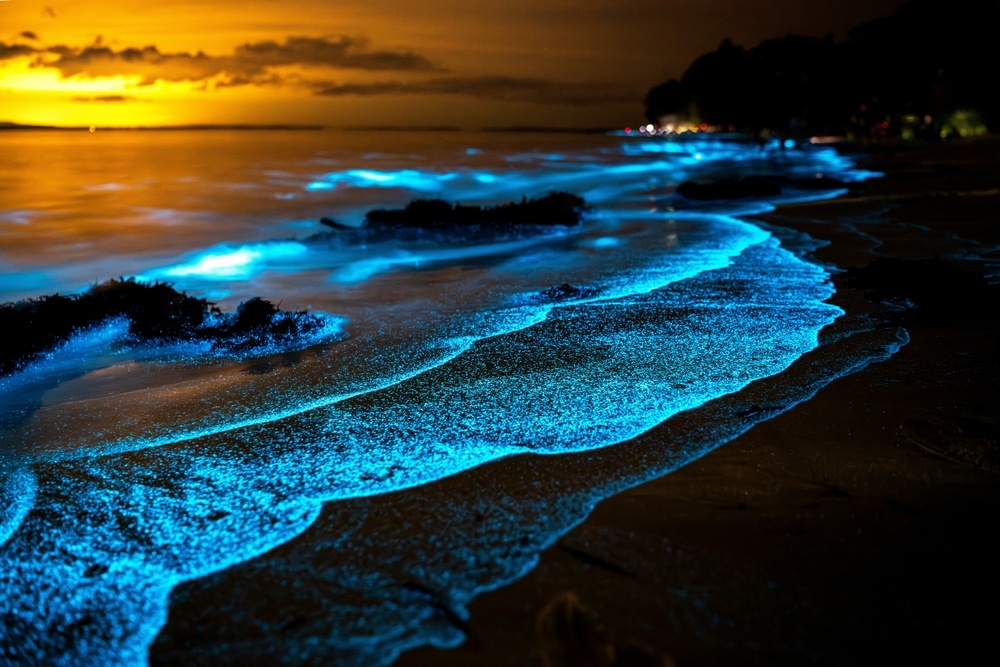
Some organisms naturally produce light, which is a characteristic known as bioluminescence. In Thailand, the blue glow in the water is caused by dinoflagellates, which are microscopic, single-celled entities that generate light through a chemical reaction. These tiny organisms flash a blue-green light when disturbed by movement like waves, a paddle stroke, or your hand in the water.
Scientists believe dinoflagellates evolved this ability as a defense mechanism. This sudden flash scares off predators or draws in bigger animals that could eat the plankton-eater, acting like a natural alarm system. According to the Smithsonian Ocean Portal, bioluminescence has evolved at least 40 times across different marine species, making it one of nature’s most successful survival strategies. In person, the effect looks like stars scattered through the water. Every splash creates a burst of sparkles, and swimming through a dense concentration feels like moving through liquid light.
Best Locations for Bioluminescent Plankton in Phang Nga Bay
Phang Nga Bay remains the most reliable destination for seeing bioluminescent plankton in Phuket and the surrounding region. The bay's protected waters, limestone karst formations, and network of caves and lagoons create ideal conditions for plankton to thrive.
Hong Island Lagoons
Hong Island's hidden lagoons, accessible only by kayak through narrow cave passages, rank among the best viewing spots to see bioluminescent plankton. The enclosed waters stay calm and dark, intensifying the glow when you disturb the surface.
Koh Panak Caves
Diamond Cave and Mangrove Cave on Koh Panak Island are sea caves that open into interior lagoons. Tour operators frequently stop here because the natural darkness inside amplifies the bioluminescent effect.
Bioluminescent Beach Spots Around Phuket
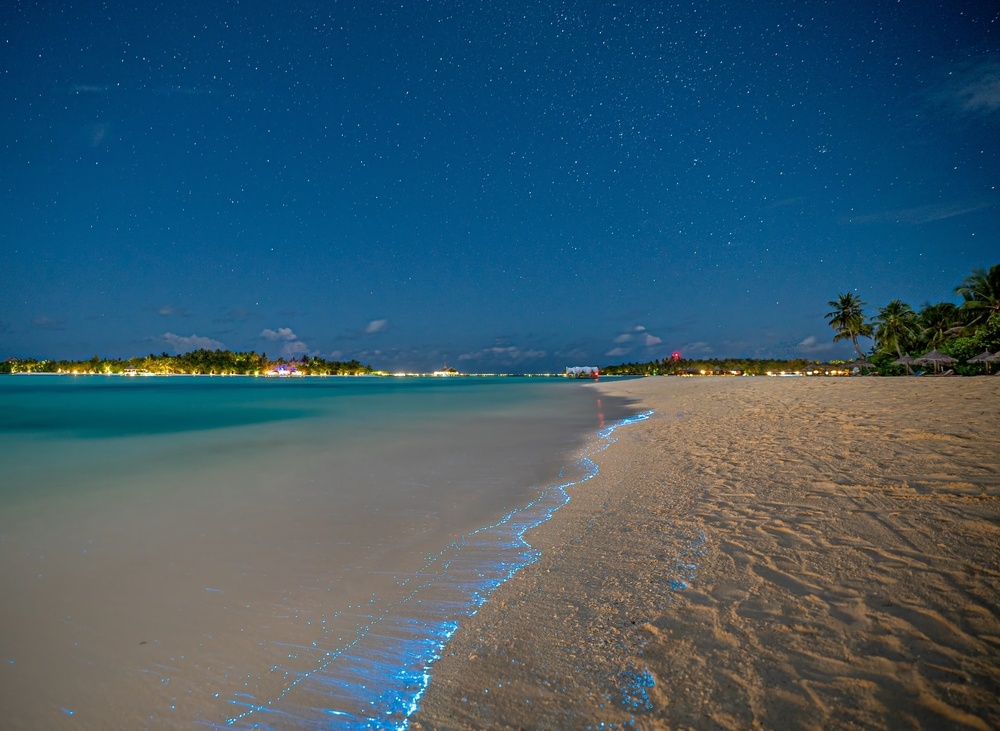
Beyond Phang Nga Bay, several locations around Phuket and nearby islands offer opportunities to see bioluminescent beach displays. The Racha Islands (Koh Racha Yai and Racha Noi) occasionally produce strong bioluminescence, particularly in Siam Bay. Near Koh Phi Phi, you can try Loh Dalum Bay, Long Beach, and Maya Bay, though these are less predictable. In contrast, Krabi's Railay Beach and Ao Nang area report regular occurrences during optimal conditions and are a safe bet.
Visibility at each location is determined by water clarity, absence of light pollution, calm seas, and plankton concentration. Phang Nga Bay's sheltered geography makes it more consistent than open coastal beaches.
Best Time to See Bioluminescent Plankton in Thailand
Moon Phase Timing
The single biggest factor in bioluminescence visibility is darkness. New moon periods, when the sky is darkest, offer the best viewing. A full moon's light can wash out the subtle glow, making the plankton nearly invisible. Plan within a few days before or after the new moon for optimal conditions.
Seasonal Considerations
Bioluminescent plankton in Thailand can be seen year-round, but certain periods improve your odds. The dry season (November to April) typically offers clearer water and calmer conditions. However, some sources suggest the shoulder and low season (April to November) can produce brighter displays due to warmer water temperatures and nutrient conditions that favor plankton growth - if the weather permits.
Time of Day
Tours typically depart in the afternoon and time the bioluminescence viewing for after sunset, usually between 7 and 9 PM. Complete darkness is essential, so tours wait until twilight fades entirely before entering caves or lagoons for the main event.
How to See Bioluminescent Plankton: Tour Options
Sea Kayak Tours
The most popular option combines speedboat transport to Phang Nga Bay with sea kayaking through caves and lagoons. Tours typically last 5-6 hours, departing around 1 PM and returning after dark. Most include hotel pickup, dinner at a local restaurant, and all equipment. Private tours are available and provide flexibility in timing and locations, plus the ability to linger at spots where bioluminescence is strongest.
DIY Options
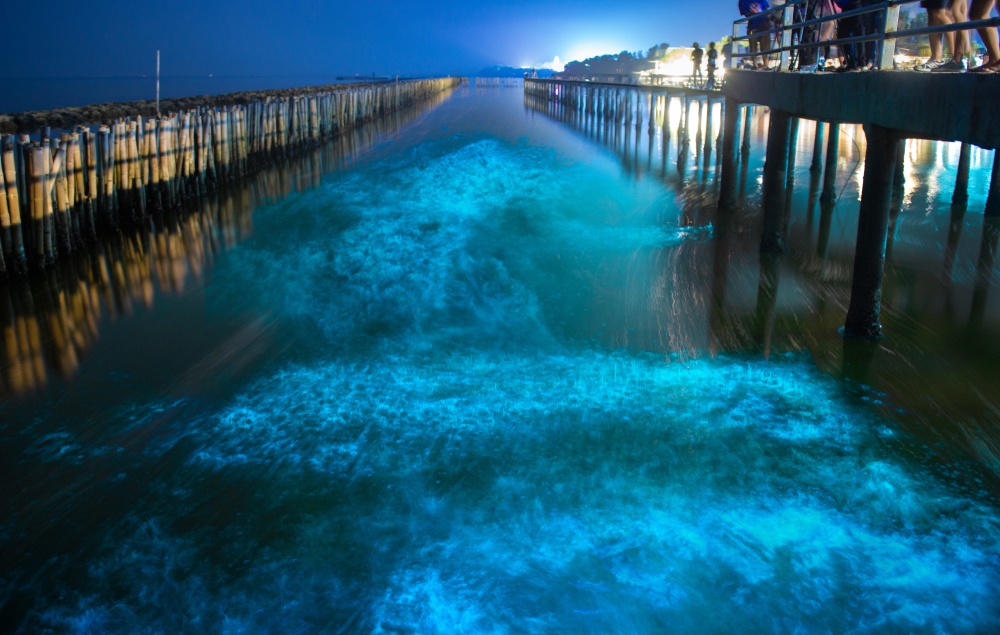
Independent travelers can rent kayaks or powerboats and visit accessible beaches on their own, though reaching Phang Nga Bay's best spots requires local knowledge and advanced boating skills.
What to Expect on a Bioluminescence Tour
Most tours follow a similar pattern: afternoon departure from Phuket, exploration of islands and caves during daylight, sunset viewing from the water, dinner, and then the bioluminescence experience after dark. The viewing itself involves paddling into dark caves or lagoons and disturbing the water to trigger the glow. Guides often demonstrate by splashing or encouraging guests to swim, creating trails of light with every movement. Photography is nearly impossible with a smartphone, and capturing bioluminescence requires long exposures and specialized equipment.
Safety and Environmental Considerations
Swimming in water with bioluminescent plankton is entirely safe, but it’s important to avoid wearing chemical-based sunscreen during your tour, as it can be toxic to the animals. Instead, use mineral-based sunscreens (zinc oxide or titanium dioxide), which are safer for marine life. Many tour operators now emphasize this to protect the organisms that make the experience possible.
Catch the Natural Light Show During Your Stay in Phuket
Experiencing a boat tour that visits areas with bioluminescent plankton is one of the top adventures you can have in Phuket, and Phang Nga Bay offers the most reliable bioluminescence sources in the country. From the shoreline of Koh Hong to the caves of Koh Panak, there is no better place to witness bioluminescent plankton in Thailand. Just make sure you time your visit around the new moon, book a reputable tour, and enjoy.
During your time in Phuket, balance your itinerary with daytime fun at Andamanda Water Park, one of the attractions in phuket for families and fun-seekers.
Book your tickets and experience the magic of glowing waters and Southeast Asia's premier water park on the same trip.
References
- Bioluminescence. (2023). Smithsonian Ocean Portal. Retrieved January 29, 2026, from https://ocean.si.edu/ocean-life/fish/bioluminescence
- Can You See Bioluminescence All Year In Phuket? (January 5, 2024). 5 Star Marine Phuket. Retrieved January 29, 2026, from https://5starmarinephuket.com/2024/01/05/can-you-see-bioluminescence-all-year-in-phuket/
Frequently Asked Questions
Q1: What causes the glowing water in Phuket at night?
The glow comes from bioluminescent dinoflagellates that emit light when the water is disturbed.
Q2: Where is the best place to see bioluminescent plankton near Phuket?
Phang Nga Bay is the most reliable area, particularly the lagoons around Hong Island and the caves of Koh Panak.
Q3: When is the best time to see bioluminescence in Thailand?
New moon periods provide the darkest conditions and the best visibility, especially after sunset.
Q4: Can you see bioluminescent plankton year-round in Phuket?
Yes, it can appear year-round, though visibility improves during periods with calm seas and clear water.
Q5: Are bioluminescent plankton tours safe?
Yes, swimming and kayaking are safe, but visitors should avoid chemical sunscreens to protect marine life.
Q6: Can I photograph bioluminescent plankton with a phone?
Smartphones rarely capture the effect well; long exposures and specialized equipment are usually required.
Q7: Do I need a tour to see bioluminescent plankton?
Tours are recommended, as guides know the best locations and timing, especially in Phang Nga Bay’s caves and lagoons.
Phuket Night Magic: Discover where and when to see bioluminescent plankton in Phuket, Thailand, from the islands of Phang Nga Bay tours to Phuket's best beaches.