
Most companies know teamwork is a crucial element of success. Yet many teams still struggle with miscommunication, unclear responsibilities, workplace tension, and low engagement. Businesses spend heavily on training programs, seminars, and workshops, only to realize that teamwork skills improve most through real interaction, shared challenges, and meaningful experiences rather than passive presentations.
That's one reason why experiential team-building continues to grow in popularity. Shared activities place people in situations where teamwork skills can develop naturally. With corporate retreats gaining momentum, destinations like Andamanda Phuket are revolutionizing team building in Thailand with experiences that combine skill development and memorable adventures.
Companies know how teamwork directly affects productivity, morale, innovation, and employee retention. In hybrid work environments, strong collaboration capabilities separate high-performing teams from those merely going through the motions.
Let's explore the core skills needed for effective teamwork with practical examples and ways to strengthen them through team-building experiences at Andamanda Phuket.
Why Teamwork Skills Are Important in the Workplace
Strong collaboration doesn't happen automatically just because people work in the same office or join the same Zoom call. Teams succeed when individuals know how to communicate clearly, solve problems together, adapt under pressure, and support one another.
So why are teamwork skills important in the workplace? There are several reasons. Effective teamwork:
- Reduces misunderstandings and delays
- Improves productivity and efficiency
- Creates stronger workplace relationships
- Encourages innovation and creative thinking
- Helps teams adapt during challenges or rapid change
- Improves employee morale and retention
Companies with strong teamwork cultures often respond faster to challenges and maintain better performance under pressure. Employees also tend to feel more engaged when they trust their colleagues and feel supported.
The 8 Core Teamwork Skills
1. Clear Communication
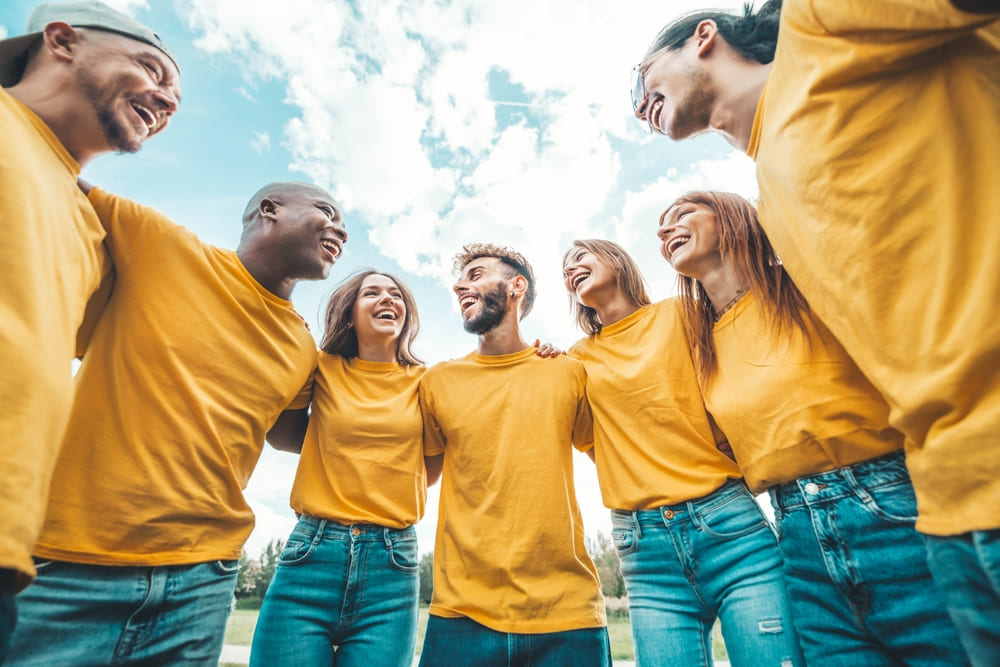
Communication is one of the most essential teamwork skills in any workplace. Many workplace problems start because people assume instead of clarifying. Deadlines become unclear, tasks overlap, or employees misunderstand expectations.
What clear communication looks like in practice: A good teamwork skills example is when a project manager stops saying "Please finish this ASAP" and starts giving specific deadlines: "Please send the final version by Thursday at 3 PM." Each team member confirms their understanding of deliverables. The result? Zero confusion and on-time task delivery.
Key communication habits to develop:
- Active listening during meetings
- Asking clarifying questions
- Giving direct and respectful feedback
- Confirming responsibilities and timelines
- Paying attention to non-verbal communication
2. Trust and Reliability
Teams cannot function well without trust. People work better together when they know others will follow through on commitments and communicate honestly when there are problems. Without trust, teams spend more energy covering for themselves than actually collaborating.
What trust and reliability look like: A team member notices a serious error in a client presentation hours before a meeting. Instead of hiding the mistake, they immediately inform the team. Everyone works together to fix the issue before the presentation begins. This teamwork skill builds the foundation for even stronger collaboration going forward.
Trust grows when people:
- Admit mistakes early
- Deliver work consistently
- Support teammates during stressful situations
- Follow through on commitments
- Take accountability
- Ask for help when they need it
3. Collaboration and Cooperation
Good teamwork means people contribute to shared goals rather than focusing solely on individual success.
What collaboration and cooperation look like: A sales department and marketing department disagree about lead quality. Instead of blaming each other, they organize a joint review session to identify communication gaps and improve lead tracking together.
Collaboration and cooperation improve when teams:
- Share information openly
- Are open to different viewpoints
- Include quieter voices in discussions
- Work toward common outcomes
4. Problem-Solving as a Team
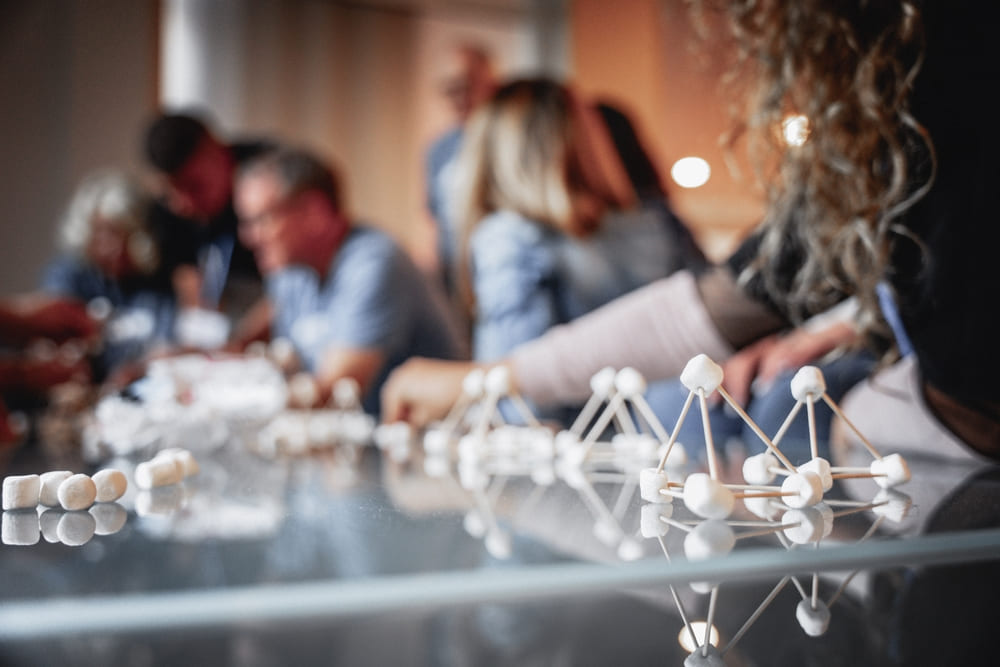
High-performing teams solve problems faster because they combine different perspectives and experiences.
What problem-solving as a team looks like: A restaurant struggling with slow service gathers the entire staff for input. The dishwasher suggests a simple plate-stacking system that cuts service time by 30%. Individuals directly involved with an issue, irrespective of their position, frequently generate the most effective solutions.
Effective problem-solving approaches:
- Brainstorming without judgment
- Encouraging input from all levels
- Looking for root causes instead of blame
- Evaluating multiple solutions before acting
- Staying calm and respectful even under pressure
5. Adaptability
Modern workplaces change constantly. Teams must adapt quickly to shifting priorities, client requests, technology, and staffing changes.
What adaptability looks like: A sudden staffing shortage forces employees to temporarily take on additional responsibilities beyond their normal roles. Instead of resisting the adjustment, this teamwork skill enables the team to reorganize responsibilities and keep operations running smoothly.
Adaptable teams:
- Stay solution-focused
- Remain flexible under pressure
- Adjust roles when necessary
- Learn from setbacks
6. Leadership & Accountability
Leadership is a teamwork skill that's not limited to managers. Strong teams allow different people to lead, depending on the need and situation.
What leadership and accountability look like: During a technical crisis, the junior team member with the strongest system knowledge guides the team through troubleshooting while the senior staff supports the process and implements their recommendations.
Strong leadership means:
- Taking initiative
- Supporting team decisions
- Encouraging others
- Owning mistakes
- Helping teammates succeed
7. Emotional Intelligence
Emotional intelligence is a teamwork skill that plays a major role in workplace collaboration. Employees with emotional awareness communicate more effectively, manage conflict better, and understand how their behavior affects others.
What emotional intelligence looks like: A manager notices tension during a meeting and pauses the discussion before conflict escalates. Instead of ignoring the issue, they encourage respectful conversation and resolve misunderstandings early.
Emotional intelligence includes:
- Self-awareness
- Empathy
- Managing emotions under pressure
- Reading group dynamics
- Responding calmly during conflict
8. Time Management & Organization
Teams struggle when deadlines slip or priorities become unclear, making time management an essential teamwork skill.
What time management and organization looks like: A project team uses shared calendars, milestone tracking, and task management tools to stay aligned throughout a major campaign launch.
Good teamwork requires:
- Prioritizing tasks effectively
- Respecting deadlines
- Staying organized
- Communicating delays early
- Managing workloads realistically
Teamwork Skills Examples: Real-World Application
Strong teamwork skills matter in every industry. Here are some examples:
- Technology: Software development teams collaborate through agile workflows, problem-solving sessions, and cross-functional communication.
- Healthcare: Medical teams rely on communication, trust, and fast decision-making during emergencies.
- Hospitality: Hotels and restaurants depend on coordinated teamwork between the front desk, kitchen, housekeeping, and service staff.
- Retail: Retail teams adapt quickly during peak shopping seasons while balancing customer service and operations.
- Construction: Construction crews constantly coordinate schedules, materials, and safety procedures between trades.
How to Improve Your Teamwork Skills Through Experiential Learning
Many organizations ask: How to improve my teamwork skills? How to improve my organization's teamwork skills as a team leader?
The answer often involves experience rather than theory. People build stronger workplace relationships when they solve challenges together outside normal office settings. Shared experiences improve trust, communication, and collaboration naturally. This is where team-building retreats come in.
Take Your Team Building to the Next Level at Andamanda Phuket
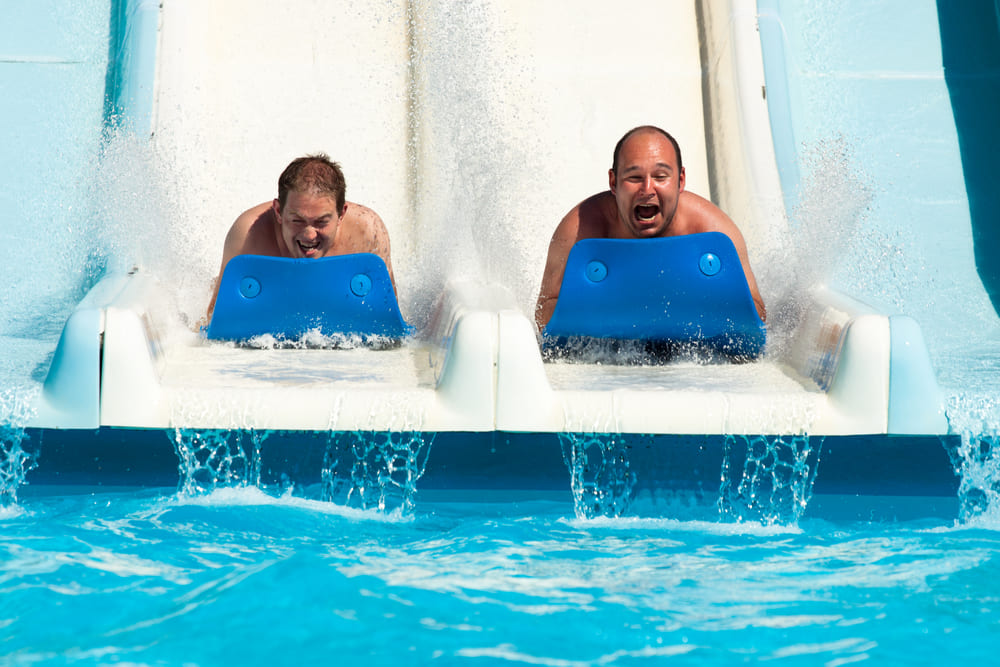
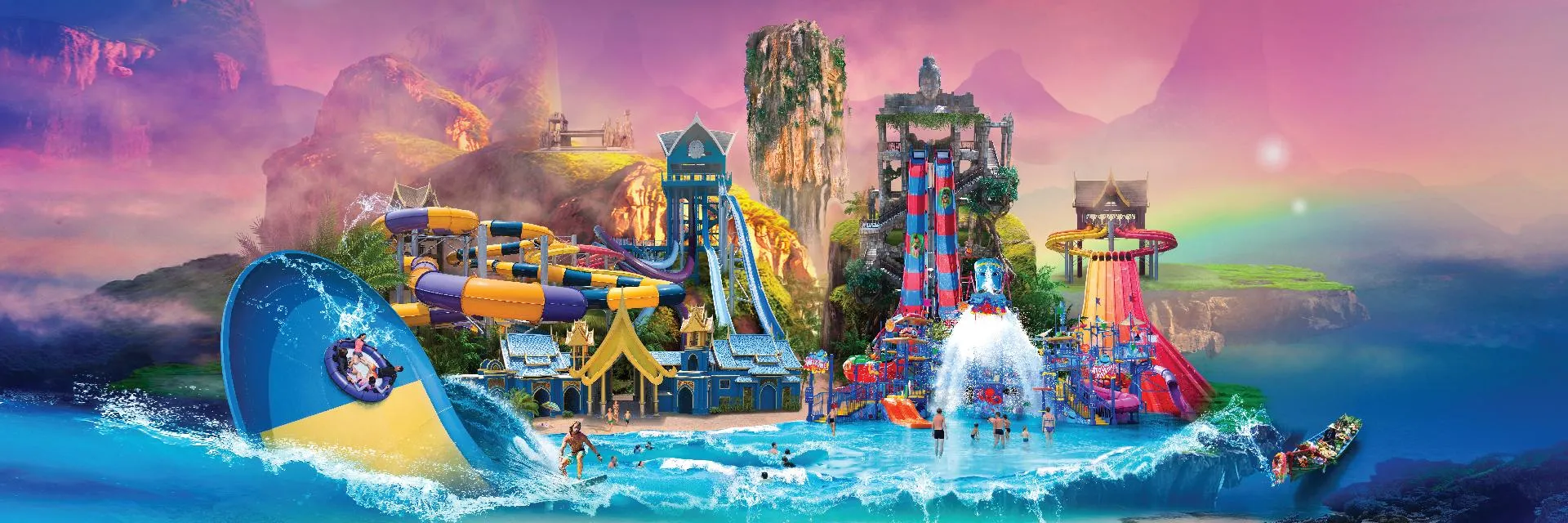
Andamanda Phuket is one of the best and largest Thai-heritage themed waterparks in Thailand, offering a unique environment for team building. Our world-class facility, spanning 100,000 square meters, integrates adventure, collaboration, and group interaction more effectively than traditional workshops. We offer corporate groups the perfect environment to develop teamwork skills through fun and adventure.
What makes Andamanda Phuket perfect for teams:
- Collaborative water rides: To navigate successfully as a team, communication and coordination are vital; it's just like at work, but way more fun.
- Wave pool challenges: Encourages adaptability and teamwork as groups figure out strategies together.
- Interactive games: Build trust with fun, interactive games such as Minefield and Egg Drop that help teams practice trust-building, problem-solving, and collaboration.
- Lazy River networking: At 550-meters long, Thailand's longest lazy river creates a relaxed environment for connecting and relationship-building.
- Custom corporate packages: Designed specifically around your team-building goals and requirements.
An experiential team-building at Andamanda Phuket works because when activities feel engaging, teams can communicate naturally to actively solve problems together. These shared experiences create stronger bonds and rapport beyond their formal workplace roles, which translates to better camaraderie and smoother collaboration. The Andamanda App tracks progress in real-time, adding friendly team competition, while our professional facilitators help connect the fun to workplace applications.
Book Your Corporate Team-Building Adventure Today
Located in Phuket's stunning tropical setting, Andamanda Phuket is perfect for company retreats. We offer a refreshing alternative to standard corporate workshops where teams can develop teamwork skills while enjoying one of Thailand's most exciting waterparks.
Plan your corporate team-building experience at Andamanda Phuket. Visit https://www.andamandaphuket.com/group-booking/team-building or contact our specialists to customize your package.
References
- Gowland, M. (2023, September 19). 10 teamwork skills everyone should have. Notion. Retrieved October 24, 2025, from https://www.notion.com/blog/teamwork-skills
- Keiling, H. (2025, October 2). 7 examples of important teamwork skills. Indeed. Retrieved October 24, 2025, from https://www.indeed.com/career-advice/career-development/teamwork-skills
- University of Waterloo, Centre for Teaching Excellence. (n.d.). Teamwork skills: Being an effective group member. Retrieved October 24, 2025, from https://uwaterloo.ca/centre-for-teaching-excellence/catalogs/tip-sheets/teamwork-skills-being-effective-group-member
Frequently Asked Questions About Teamwork Skills
What are teamwork skills?
Teamwork skills are abilities that help people collaborate effectively with others to achieve shared goals. These include communication, trust-building, adaptability, leadership, problem-solving, emotional intelligence, and collaboration.
Why are teamwork skills important in the workplace?
Teamwork skills improve productivity, reduce misunderstandings, strengthen workplace relationships, and help organizations respond more effectively to challenges and change.
How can employees improve teamwork skills?
Leaders can help their teams improve by setting good examples of teamwork skills: practicing active listening, communicating clearly, participating in collaborative projects, giving constructive feedback, and joining experiential team-building activities.
How do team-building activities improve workplace collaboration?
Team-building activities place employees in shared situations where they naturally practice communication, trust, leadership, and problem-solving beyond their normal work routines.
Why are experiential team-building activities more effective?
Experiential learning creates stronger emotional engagement and practical collaboration compared to passive workshops or lectures, making teamwork lessons easier to retain and apply.
Is Andamanda Phuket suitable for corporate groups?
Yes. Andamanda Phuket offers customized corporate team-building experiences, group activities, collaborative games, dining options, private spaces, and attractions suitable for teams of different sizes.
What types of businesses benefit most from team-building retreats?
Businesses with collaborative work environments, cross-functional departments, hybrid teams, leadership development goals, or communication challenges often benefit significantly from team-building retreats.
Communication, trust, problem-solving, leadership, and adaptability promote teamwork skills. Plan your next team-building at Andamanda Phuket.